Centre Fire Rifle Calibres Explained: What They Mean for Your Next Air Rifle Scope Choice
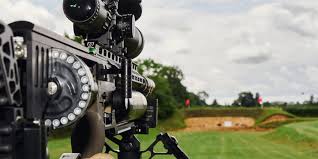
Alright, let’s cut through the gun store jargon—calibre really matters. People get all starry-eyed about fancy rifle brands or the latest models, but if you don’t get the calibre thing sorted, you’re probably setting yourself up for disappointment (or a bruised shoulder).
So, what’s “calibre” anyway? It’s just the diameter of the bullet, usually listed in millimetres or inches. Simple, right? But the impact is huge—bigger calibres kick harder, punch with more energy, and tend to have a different bullet drop. Smaller ones? They shoot flatter, don’t beat you up as much, and are way easier to handle at longer ranges. All that stuff seriously affects the kind of scope you want.
Now, if you’re out shopping for a new scope or just trying to make your setup less of a Frankenstein, you gotta know how calibre ties in. Skip that, and you might end up with a rig that’s more frustrating than fun.
Recoil: Can Your Scope Handle It?
Let’s talk recoil first. Big calibres = big recoil. Some scopes just can’t handle a sledgehammer hit every time you pull the trigger—they’ll fall apart, lose zero, or just plain break. Check if your air rifle scope is rated for your rifle’s recoil, or you’ll be back at the shop, wallet in hand, way sooner than you want.
Bullet Trajectory & Drop
Bullet trajectory is the next big thing. Some bullets drop like a stone past 200 meters, others glide out like they’re on rails. If your calibre’s got a pronounced drop, look for stuff like mil-dot reticles, BDC (Bullet Drop Compensation) systems, or turrets you can actually adjust for elevation on the fly. Missing high or low gets old fast.
Magnification: Finding the Sweet Spot
Magnification is a bit of a Goldilocks game. If you’re only shooting short to mid-range, you don’t need to strap a telescope to your centre fire rifle calibres—a nice 3-9x scope is usually just right. Chasing targets at long range, especially with a beefy calibre? Sure, crank up the magnification, but don’t forget you need clarity and stability too. It’s not just about bigger numbers.
What About Air Rifles?
Oh, and air rifles—don’t sleep on them. They’ve got their own weird double recoil that can trash a normal scope. Even if the caliber’s smaller, the same basic principles apply: know your range, your drop, and don’t buy junk just because it’s cheap.
Weight, Balance & Mounts
One thing people always forget: weight and balance. Go too big on the scope, and suddenly your rifle tips like a see-saw or feels like you’re lugging around a brick. Think about the total weight, the tube size (1-inch vs 30mm—yes, it matters), and make sure your mounts don’t suck.
Built for Real-World Conditions
Where you shoot counts, too. Aussie bush? You’re dealing with heat, dust, and God knows what else. Get something shockproof, waterproof, fog-resistant, and with good lens coatings. Otherwise, you’ll be cursing your gear halfway through the season.
Don’t Fall for “Bigger Is Better”
And here’s a pet peeve: Bigger calibre does NOT mean you need the most overkill scope you can find. It’s not a contest. Match your optic to what you actually do, not what some internet forum told you was “the best.” A medium magnification scope, set up right, will usually kick the pants off a giant, unwieldy monster in real-world shooting.