Who Is A Candidate For Partial Knee Replacement: A Comprehensive Guide
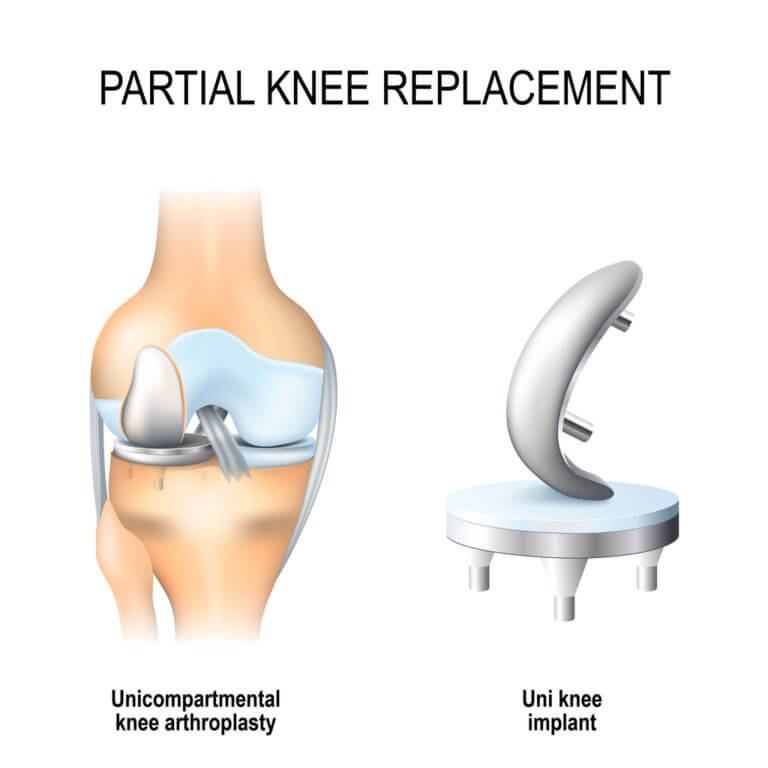
A candidate for partial knee replacement is someone experiencing localized arthritis affecting only one part of the knee joint. This procedure is a viable option for individuals seeking relief from knee pain and limited mobility. Factors such as overall health, age, and extent of knee damage play crucial roles in determining eligibility. Partial knee replacement offers a less invasive solution compared to total knee replacement, making it suitable for those with early to moderate knee arthritis. Understanding who is a candidate for partial knee replacement can help individuals make informed decisions about their knee health.

Who is a Candidate for Partial Knee Replacement?
Welcome to our comprehensive guide on who is a candidate for partial knee replacement. If you or a loved one is suffering from knee pain, disability, or reduced mobility due to conditions like osteoarthritis, understanding whether partial knee replacement is a viable option is crucial. In this article, we will delve into what partial knee replacement entails, explore the factors that determine candidacy, and discuss the benefits and potential risks associated with this procedure.
Understanding Partial Knee Replacement
Partial knee replacement, also known as unicompartmental knee replacement, is a surgical procedure used to replace only the damaged or diseased part of the knee joint. Unlike total knee replacement, which involves replacing the entire knee joint, partial knee replacement targets specific areas affected by conditions like osteoarthritis, preserving healthy bone and ligaments.
This minimally invasive procedure aims to reduce pain, improve function, and restore mobility in patients with localized knee joint damage. By selectively replacing the damaged portion of the knee, partial knee replacement offers a more conservative approach compared to total knee replacement, resulting in faster recovery times and potentially better long-term outcomes.
Factors That Determine Candidacy
Not everyone with knee pain or osteoarthritis is automatically a candidate for partial knee replacement. Several factors come into play when determining if an individual is suitable for this procedure:
1. Location and Extent of Damage
Patients with osteoarthritis predominantly affecting a single compartment of the knee joint are ideal candidates for partial knee replacement. If the damage is limited to one area, such as the medial or lateral compartment, partial knee replacement may be a viable option to address the specific issue without the need for total joint replacement.
2. Severity of Symptoms
The severity of symptoms, including pain, stiffness, swelling, and difficulty performing daily activities, is crucial in assessing candidacy for partial knee replacement. If conservative treatments like medication, physical therapy, and lifestyle modifications have not provided relief, and the symptoms significantly impact quality of life, surgery may be considered.
3. Overall Health and Lifestyle
Before recommending partial knee replacement, healthcare providers evaluate the patient’s overall health and lifestyle factors. Good candidates should be in generally good health, free from conditions that could increase surgical risks or impede recovery. Maintaining a healthy weight, being physically active, and having realistic expectations about the procedure are also important considerations.
4. Age and Activity Level
While age alone is not a determining factor, younger patients with localized knee damage and higher activity levels may benefit more from partial knee replacement. The goal is to restore mobility and function, allowing patients to resume normal activities and maintain an active lifestyle for as long as possible.
Benefits of Partial Knee Replacement
Partial knee replacement offers several advantages for eligible candidates:
1. Preservation of Healthy Tissue
By targeting only the damaged part of the knee joint, partial knee replacement preserves healthy bone, ligaments, and surrounding tissues. This preservation can lead to a more natural feeling knee, improved range of motion, and reduced risk of complications compared to total knee replacement.
2. Faster Recovery and Rehabilitation
Since partial knee replacement is a less invasive procedure, patients typically experience faster recovery times and shorter hospital stays compared to total knee replacement. Rehabilitation and physical therapy also tend to be more manageable, enabling patients to regain mobility and function sooner.
3. Improved Function and Quality of Life
For individuals struggling with knee pain and limited mobility, partial knee replacement can significantly improve function and quality of life. By addressing the specific area of damage, patients may experience reduced pain, increased stability, and better overall knee function, allowing them to participate in activities they enjoy.
Potential Risks and Considerations
While partial knee replacement offers many benefits, it’s essential to be aware of potential risks and considerations before undergoing the procedure:
1. Risk of Progression
In some cases, osteoarthritis or joint degeneration may progress to affect other parts of the knee joint following partial knee replacement. Regular follow-up appointments and ongoing monitoring are essential to detect any changes early and address them promptly.
2. Infection and Complications
As with any surgical procedure, there is a risk of infection and other complications associated with partial knee replacement. Following the post-operative care instructions provided by healthcare providers and attending follow-up appointments are crucial to minimize these risks.
3. Revision Surgery
In some instances, further surgery may be necessary if complications arise or if the initial procedure does not provide the desired outcome. Understanding the possibility of revision surgery and discussing it with the healthcare team can help manage expectations and ensure appropriate follow-up care.
In conclusion, determining who is a candidate for partial knee replacement involves a careful assessment of various factors, including the location and extent of knee damage, severity of symptoms, overall health, age, and activity level. While partial knee replacement offers many benefits, patients should weigh the potential risks and considerations before making a decision.
If you are experiencing knee pain or have been diagnosed with osteoarthritis, consult with a healthcare provider to discuss your treatment options, including whether partial knee replacement may be a suitable solution for improving your quality of life and mobility.
Who is a candidate for partial knee replacement?
Frequently Asked Questions
Who can benefit from partial knee replacement surgery?
Partial knee replacement surgery is typically recommended for individuals who have osteoarthritis primarily affecting one area of the knee. Candidates may experience pain, stiffness, and reduced mobility that affects their daily activities. The procedure is considered when non-surgical treatments like medication and physical therapy have not provided adequate relief.
What factors determine if someone is a suitable candidate for partial knee replacement?
Several factors influence whether someone is a good candidate for a partial knee replacement, including the extent of knee damage, overall health, and lifestyle goals. Candidates should have intact ligaments in the knee and minimal deformity. A thorough evaluation by an orthopedic surgeon is crucial to determine eligibility for the surgery.
What are some reasons someone may not be a candidate for partial knee replacement?
Certain conditions may make individuals unsuitable for partial knee replacement surgery. Factors such as widespread arthritis affecting multiple knee compartments, severe deformity, or ligament instability may disqualify someone from undergoing the procedure. Additionally, individuals with uncontrolled medical conditions or unrealistic expectations may not be ideal candidates.
Can age be a determining factor in deciding who is a candidate for partial knee replacement?
While age alone does not disqualify someone from being a candidate for partial knee replacement, it is an important consideration. Younger patients with isolated knee arthritis and good overall health may be suitable candidates for the surgery. Older individuals who are active and in good health can also benefit from partial knee replacement, as long as they meet the necessary criteria.
What are the potential benefits of undergoing a partial knee replacement procedure?
Partial knee replacement surgery can offer significant benefits to eligible candidates. These include reduced knee pain, improved mobility, and enhanced quality of life. By preserving healthy tissue and ligaments, partial knee replacement can lead to faster recovery times and better long-term outcomes compared to total knee replacement in some cases.
Final Thoughts
In conclusion, a candidate for partial knee replacement is typically a patient with limited knee arthritis, localized pain, and good ligament stability. They may have exhausted non-surgical treatments and desire to maintain their active lifestyle. Successful candidates for partial knee replacement are those with realistic expectations and an understanding of the procedure’s benefits and risks. It is crucial for individuals to consult with an orthopedic surgeon to determine if they are suitable candidates for this specific procedure.